
When buyers walk into a home, they’re often trying to picture a life that doesn’t exist yet. Empty rooms, outdated finishes, or overly personalized décor can make that process harder than it needs to be. Interior design mood boards bridge that gap by translating abstract ideas into clear, visual stories. They help buyers move past what a space is and start seeing what it could become, which is a powerful shift during the decision-making process.
Creating a Cohesive Design Story
A well-crafted mood board does more than showcase individual pieces; it tells a cohesive design story. By showing how elements work together, buyers can see how one room connects to the next. When Gala at Home’s step-by-step process for visualizing your decorating vision is reflected through thoughtful mood boards, the entire property feels intentional rather than disjointed. This sense of cohesion helps buyers imagine a finished home rather than a series of unrelated spaces.
Turning Blank Spaces into Clear Possibilities
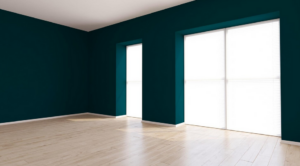 One of the biggest challenges buyers face is visualizing how an empty or awkwardly styled room might actually function. Mood boards solve this by presenting a curated mix of colors, textures, furniture styles, and finishes that give shape to the space. Instead of guessing how a room could look, buyers are given a visual direction that helps them understand scale, style, and flow in a way that feels approachable and inspiring.
Simplifying Design Decisions
For many buyers, design choices can feel overwhelming. Mood boards simplify those decisions by narrowing options into a clear, curated vision. Instead of wondering which finishes might work together, buyers are shown a cohesive palette that already feels balanced. This clarity builds confidence and reduces hesitation, making the idea of personalizing the space feel exciting rather than intimidating.
Highlighting a Property’s Hidden Strengths
Every home has strengths that may not be immediately obvious. Mood boards can draw attention to architectural details, natural light, or layout opportunities that buyers might otherwise overlook. By pairing visuals with the existing features of the home, mood boards help buyers see value where they might not have noticed it before, reframing potential challenges as opportunities for thoughtful design.
Helping Buyers Connect Emotionally
Buying a home is as much an emotional decision as it is a practical one. Mood boards tap into that emotional side by setting a tone and lifestyle that buyers can relate to. Warm neutrals might suggest comfort and calm, while bold accents can hint at creativity and energy. When buyers emotionally connect with a design direction, they’re more likely to feel attached to the property and envision themselves living there.
Supporting Faster, More Confident Decisions
When buyers can clearly visualize a home’s potential, they tend to move through the decision process more confidently. Mood boards reduce uncertainty by answering unspoken questions about style, functionality, and atmosphere. This clarity often leads to stronger interest and quicker decisions because buyers feel reassured that the property can truly become their home.
Interior design mood boards are powerful tools that help buyers see beyond the present moment and into the future of a space. By creating clarity, emotional connection, and a cohesive vision, mood boards transform properties from blank canvases into inspiring possibilities. When buyers can easily visualize a home’s potential, they’re not just looking at walls and rooms—they’re imagining a life, and that makes all the difference.