
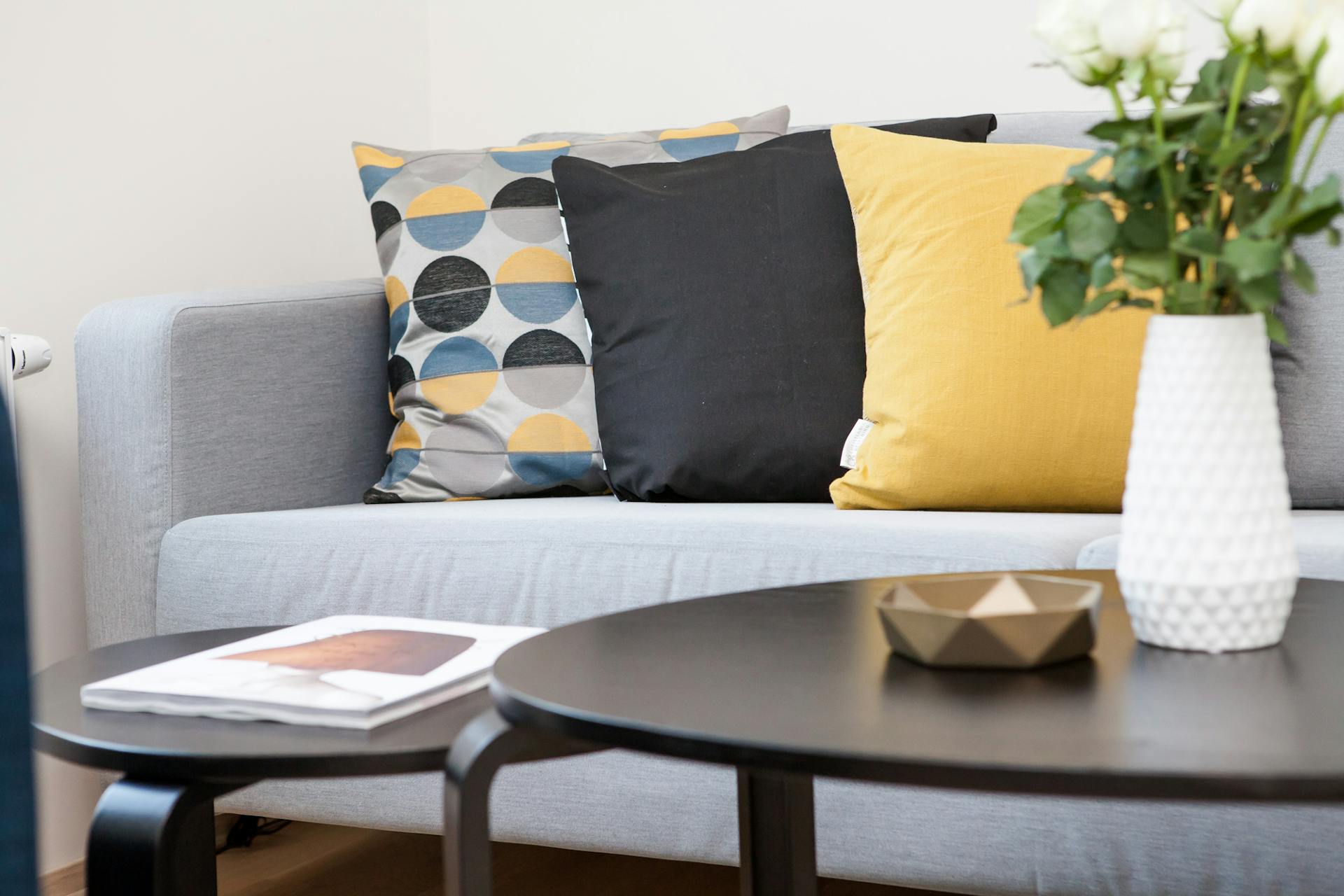
Furniture is more than decoration. It supports how you live. Your daily routines, family size, and activities influence what works best. Considering the top furniture picks for stylish living spaces can help guide your choices. A home with children may require durable, easy-to-clean pieces. Singles or couples might prioritize style and comfort over heavy-duty materials. Identifying your lifestyle needs ensures that furniture enhances rather than hinders daily life.
Assess Space and Layout
Before buying any piece, evaluate your space. Measure rooms carefully, considering walking paths and functional zones. Large furniture can overwhelm small spaces, while small pieces may feel inadequate in expansive areas. A balanced layout supports comfort and utility, allowing furniture to complement the room’s purpose. Proper spacing also encourages movement and accessibility.
Prioritize Functionality

Furniture should serve your lifestyle efficiently. Consider how each piece will be used. Sofas should accommodate your family comfortably, while tables must suit your dining habits. Storage solutions help maintain order, especially for busy households. Prioritizing functionality ensures that furniture supports your day-to-day routines without compromise.
Choose Materials Wisely
Material selection impacts durability and maintenance. Solid wood offers strength and warmth, while metal can provide modern aesthetics and longevity. Upholstery should suit your use. Leather may be ideal for elegance, but it requires care, while microfiber resists stains and wear. Selecting materials that align with your lifestyle ensures that your furniture remains practical and beautiful over time.
Match Style to Personality
Your furniture should reflect who you are. Bold colors, unique shapes, or mixed textures create a personalized environment. Neutral tones and classic designs offer timeless elegance and flexibility. Consider how each piece interacts with existing décor. Matching style to personality ensures your home feels authentic and inviting, making every space uniquely yours.
Consider Flexibility and Adaptability
Homes evolve, and so should furniture choices. Modular sofas, extendable tables, and multi-functional pieces adapt to changing needs. Flexibility is especially important in small spaces or growing families. Choosing adaptable furniture ensures that your home can accommodate both current routines and future lifestyle changes without major overhauls.
Choose Comfort and Ergonomics
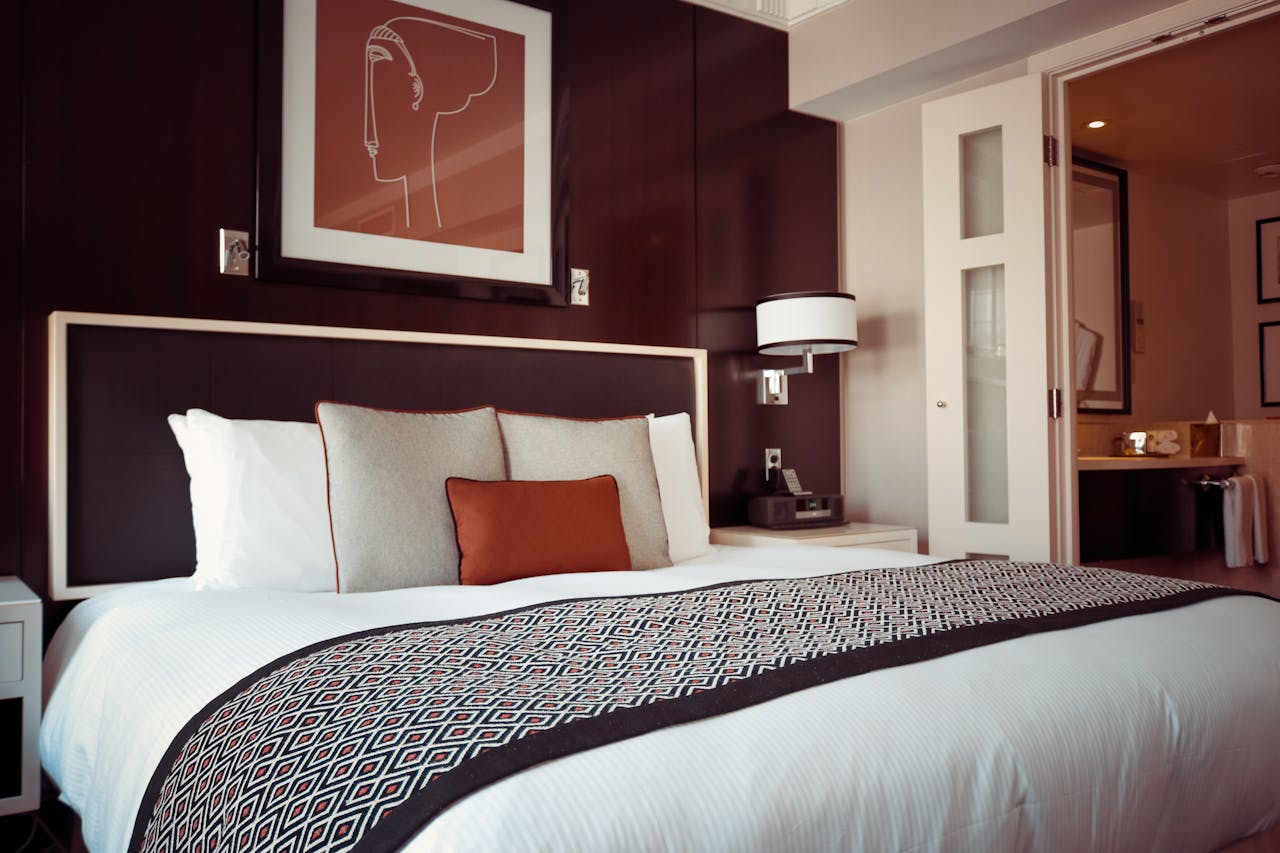
Comfort is a cornerstone of lifestyle-focused furniture. Chairs, sofas, and beds must support proper posture and relaxation. Ergonomic designs enhance well-being, reduce strain, and improve daily life quality. Testing furniture before purchase helps ensure that pieces meet both comfort and functional requirements. A comfortable home encourages relaxation and productivity alike.
Add Personal Touches and Cohesion
Adding personal touches completes the look and feel of a home. Accessories like rugs, pillows, and artwork integrate with furniture to create harmony. Grouping items thoughtfully establishes cohesion, making the space feel intentional and well-planned. These touches elevate the home, ensuring it is not only functional but also expressive of your lifestyle and personality.
Choosing furniture that complements your lifestyle requires balancing space, functionality, style, and comfort. Assessing your daily routines, evaluating room layout, and selecting durable materials ensures furniture enhances life rather than complicates it. Personalization, flexibility, and thoughtful accessorizing further make your home uniquely yours. When furniture aligns with how you live, it creates a space that is practical, inviting, and reflective of your personality. By prioritizing lifestyle compatibility, every piece becomes more than décor. It becomes part of a well-functioning, enjoyable home.