Not too long ago, the term “starter home” brought to mind a modest but spacious house—room for a couple, maybe a kid or two, a backyard for the dog, and a two-car garage to top it off. But in today’s housing market, that image is shifting. Builders across the country are downsizing new builds—not to limit dreams, but to make them more attainable.
With rising costs and changing lifestyles, the new starter home is all about doing more with less. Smaller square footage, smarter layouts, and efficient use of space are replacing the idea that “bigger is always better.” And surprisingly? Many buyers are loving it.
Smaller Homes, Smarter Decisions
In today’s real estate climate, affordability is a top concern. Inflation, material costs, and labor shortages have made traditional starter homes harder to deliver at reasonable prices. Builders are responding by trimming square footage without cutting corners on quality. According to recent insights from news.de/verbraucher/858802313/diese-5-fehler-beim-hausbau-kosten-am-meisten-wie-sie-sie-vermeiden/1/, avoiding common budget traps during construction is key—many of which are tied to oversized or overly complicated layouts. Smaller homes naturally reduce the risk of those budget blowouts and keep projects on track financially.
Efficiency as the New Luxury
Today’s compact homes are nothing like the cramped, cookie-cutter builds of the past. Open floor plans, multi-purpose spaces, and thoughtful design make these homes feel surprisingly spacious. Smart storage solutions, oversized windows, and high ceilings can transform 1,000 square feet into something that lives like 1,500. Plus, without extra rooms to heat, cool, and clean, homeowners often find they actually enjoy living in a space that works for them rather than overwhelming them.
Changing Lifestyles, Changing Needs
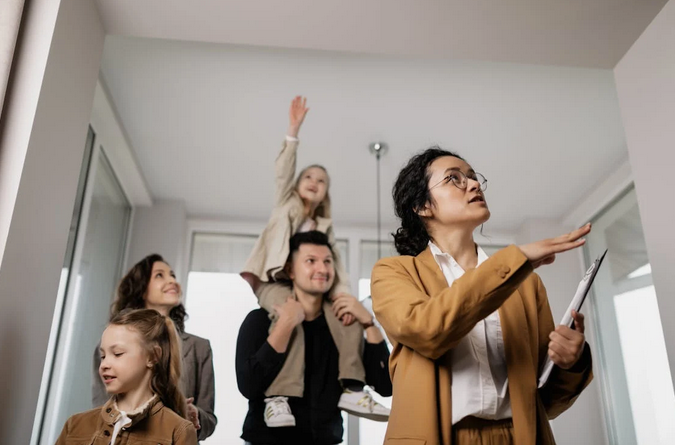
Another reason builders are downsizing? Buyers themselves are evolving. More people are working remotely, delaying having kids, or choosing to live in urban areas where land is limited. The traditional nuclear-family blueprint isn’t the default anymore, and homes are being designed to reflect that. People now value flexibility over formality. Instead of a separate dining room, they’d rather have a multi-use space that can serve as a home office or hobby room. Smaller homes cater to these modern needs by focusing on function, not fluff.
Environmental and Energy Benefits
A smaller home doesn’t just cost less to build—it also costs less to run. With a reduced footprint comes lower energy bills, less water usage, and fewer materials used in construction. For eco-conscious buyers, that’s a huge win. Builders are also embracing sustainable practices, adding solar panels, energy-efficient appliances, and better insulation to even the smallest floor plans. It’s a shift that allows homeowners to reduce their environmental impact without sacrificing comfort.
The Charm of Simplicity
There’s a growing cultural push toward minimalism—owning less, doing more, and focusing on what really matters. Smaller starter homes align perfectly with that mindset. Homeowners are discovering that they don’t need five bedrooms or a massive living room to be happy. What they really want is a home that’s well-built, well-located, and easy to maintain. The appeal of a simpler, cozier space is starting to outweigh the draw of square footage. The modern starter home may be smaller, but it’s anything but less. Builders are rethinking what a first home should be—not a compromise, but a creative solution to today’s economic and lifestyle realities.
By focusing on smart design, affordability, and livability, these smaller homes are helping more people enter the market without sacrificing comfort or style. Because at the end of the day, it’s not about how much space you have—it’s about how well you live in it.